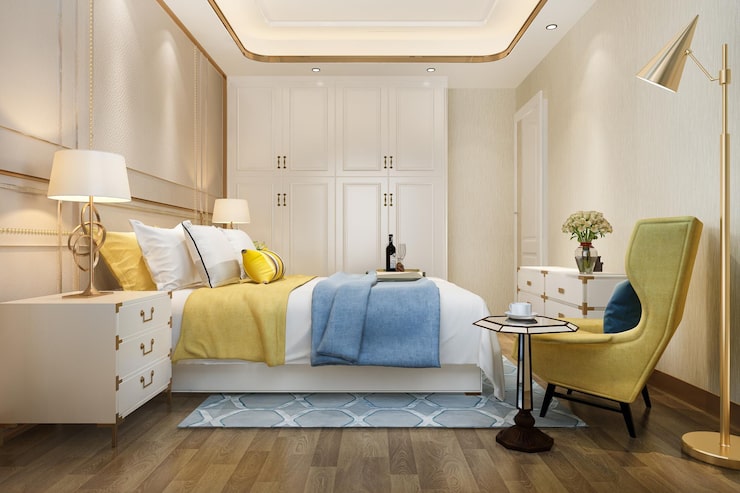

Bedroom interior design is more than decorating a room—it’s about shaping the one place where your day begins and ends.
When you step into your bedroom after a long day, the space should instantly signal comfort, privacy, and calm. I’ve seen homes where a simple change in lighting or layout completely changed how the room felt emotionally. That’s the real power of thoughtful design. It’s not about copying Pinterest images blindly, but about creating a space that supports rest, clarity, and personal expression.
In modern homes, bedrooms are no longer just sleeping areas. They double as reading corners, work-from-home zones, and sometimes even quiet retreats from a noisy household. A well-planned bedroom balances beauty with function, ensuring every element serves a purpose while still feeling inviting.
Understanding the Purpose of Bedroom Interior Design
At its core, bedroom interior design focuses on comfort and psychological ease. Unlike living rooms or kitchens, this space is deeply personal. Colors, textures, and layouts affect sleep quality more than most people realize.
Design professionals often emphasize that cluttered or poorly lit bedrooms increase stress levels. On the other hand, rooms designed with proper flow, soothing colors, and intentional furniture placement tend to feel calmer and more organized. This isn’t just aesthetic theory; it’s supported by environmental psychology and years of practical interior design experience.
Your bedroom should reflect who you are, but it should also quietly encourage rest. That balance is where good design lives.
Choosing the Right Color Palette for Bedroom Interior Design
Color is the first thing you notice when entering a room, even if subconsciously. In bedroom spaces, softer tones generally work best because they don’t overstimulate the mind.
Neutral shades like warm beige, soft grey, or off-white create a timeless base. These colors also allow flexibility if you like changing décor elements over time. For people who enjoy color, muted blues, sage greens, and dusty pinks add personality without overwhelming the senses.
In one recent home makeover I observed, simply replacing a bright red accent wall with a muted clay tone dramatically improved the room’s atmosphere. The homeowner reported sleeping better within days. That’s how powerful color selection can be in bedroom interior design.
Furniture Placement That Supports Rest and Flow
Furniture should never fight the room’s natural layout. The bed, being the focal point, deserves the most thoughtful placement. Ideally, it should be positioned where it feels grounded, often against a solid wall with a clear view of the doorway.
Crowding the room with oversized furniture is a common mistake. Even large bedrooms benefit from breathing space. Nightstands should be proportionate to the bed, and wardrobes should not block natural light sources.
Designers often recommend walking through the room mentally before moving furniture. Imagine your daily routine, from waking up to winding down. This approach ensures the layout supports your lifestyle rather than restricting it.
Lighting Strategies That Transform Bedroom Interior Design
Lighting plays a silent yet decisive role in how a bedroom feels. A single harsh ceiling light rarely does justice to a space meant for relaxation.
Layered lighting is the gold standard. Soft ambient lighting creates overall warmth, while task lighting near the bed supports reading or late-night work. Accent lighting, such as subtle wall fixtures or concealed LED strips, adds depth and character.
Warm light temperatures are particularly important. Cool white lighting may look modern, but it can disrupt the body’s natural sleep rhythm. Many interior experts suggest using dimmable lights to adjust brightness throughout the day, enhancing both comfort and control.
Textiles and Materials That Add Comfort and Depth
Textiles are where comfort becomes tangible. The choice of fabrics in bedding, curtains, and rugs directly affects how inviting the room feels.
Natural materials like cotton, linen, and wool are often preferred because they breathe better and age gracefully. Layering textures, such as a soft throw over a structured bedspread, adds visual interest without clutter.
In professional practice, designers often say that if a bedroom looks good but doesn’t feel good, something is wrong with the materials. True bedroom interior design always considers touch alongside appearance.
Storage Solutions That Keep the Bedroom Peaceful
A calm bedroom is usually a clutter-free one. Storage should be integrated seamlessly into the design so it doesn’t dominate the room visually.
Built-in wardrobes, under-bed storage, and minimalist shelving help maintain order. The key is to ensure that storage solutions blend with the room’s overall aesthetic rather than standing out awkwardly.
From an experience standpoint, homeowners who invest in smart storage early often find their bedrooms easier to maintain long-term. Less visible clutter means less mental clutter, which directly supports better rest.
Personal Touches That Make Bedroom Interior Design Feel Human
No bedroom should feel like a showroom. Personal elements are what transform a designed space into a lived-in sanctuary.
Artwork, photographs, or meaningful objects tell your story. The trick is moderation. A few carefully chosen pieces feel intentional, while too many can overwhelm the senses.
I once worked with a homeowner who framed handwritten letters from a loved one as wall art. It was subtle, emotional, and deeply personal. That’s the kind of authenticity that elevates bedroom interior design beyond trends.
Modern Trends Shaping Bedroom Interior Design Today
While timeless design principles remain important, modern bedrooms are evolving with lifestyle changes. Minimalism continues to influence design, but with warmer tones and softer edges than before.
Sustainable materials are gaining popularity as well. Eco-conscious homeowners are choosing responsibly sourced wood, organic fabrics, and low-VOC paints. This shift isn’t just ethical; it also improves indoor air quality, which matters in a space where you spend hours sleeping.
Technology is also finding its way into bedrooms, but subtly. Hidden charging stations, smart lighting, and noise-reducing features enhance convenience without dominating the aesthetic.
Small Bedroom Interior Design Ideas That Maximize Space
Designing a small bedroom requires creativity and restraint. Every element must earn its place.
Light colors help visually expand the room, while mirrors reflect light and add depth. Multifunctional furniture, such as beds with storage or wall-mounted desks, keeps the floor area open.
Design experts often advise focusing on vertical space in smaller rooms. Tall wardrobes and shelves draw the eye upward, making the room feel taller and more spacious. When done right, small bedrooms can feel just as luxurious as larger ones.
Master Bedroom Interior Design for a Luxurious Feel
Master bedrooms often serve as personal retreats, and their design should reflect that elevated role. Symmetry is commonly used to create balance, especially around the bed area.
High-quality materials, layered lighting, and thoughtful color coordination contribute to a sense of understated luxury. Instead of excessive decoration, designers focus on fewer but better elements.
A well-designed master bedroom doesn’t shout luxury. It whispers comfort, privacy, and confidence, which is why experienced designers prioritize quality over quantity in these spaces.
Common Mistakes to Avoid in Bedroom Interior Design
Even with good intentions, certain mistakes can undermine an otherwise beautiful bedroom. Overdecorating is one of the most frequent issues. Too many patterns, colors, or furniture pieces compete for attention and disrupt calmness.
Ignoring lighting balance is another common problem. Relying solely on overhead lighting often results in a flat, uninviting atmosphere. Similarly, choosing style over comfort, especially with mattresses or bedding, compromises the room’s primary purpose.
Professionals with years of experience often stress that simplicity, when guided by intention, almost always leads to better bedroom interior design outcomes.
How Bedroom Interior Design Impacts Well-Being
The connection between environment and well-being is well documented. Bedrooms designed with comfort, airflow, and lighting in mind tend to support better sleep patterns.
Poor design choices, such as heavy visual clutter or inadequate ventilation, can subtly increase anxiety and fatigue. On the other hand, rooms designed thoughtfully often feel restorative, even during waking hours.
Interior designers frequently collaborate with wellness experts today, reinforcing the idea that good design is not just about looks, but about health and lifestyle too.
Adapting Bedroom Interior Design to Indian Homes
In Indian households, bedrooms often serve multiple functions, from sleeping to prayer or study. Climate, family structure, and cultural habits all influence design decisions.
Breathable fabrics, cross-ventilation, and adaptable furniture layouts work particularly well. Colors are often chosen to reflect warmth and tradition, while still maintaining modern sensibilities.
Designers working in India emphasize flexibility. A bedroom that adapts to seasons, routines, and family needs remains functional and relevant for years.
Why Professional Guidance Matters in Bedroom Interior Design
While DIY inspiration is everywhere, professional input brings clarity and structure. Experienced designers understand proportions, materials, and lighting in ways that go beyond surface-level trends.
They also help avoid costly mistakes by planning layouts and finishes correctly from the start. Even a short consultation can provide valuable direction, especially for complex spaces or renovations.
That said, the best results happen when professionals collaborate with homeowners, combining expertise with personal vision.
Read also:
indiana pacers vs oklahoma city thunder match player stats
pacers vs oklahoma city thunder match player stats
okc thunder vs pacers match player stats
bangladesh national cricket team vs afghanistan national cricket team standings