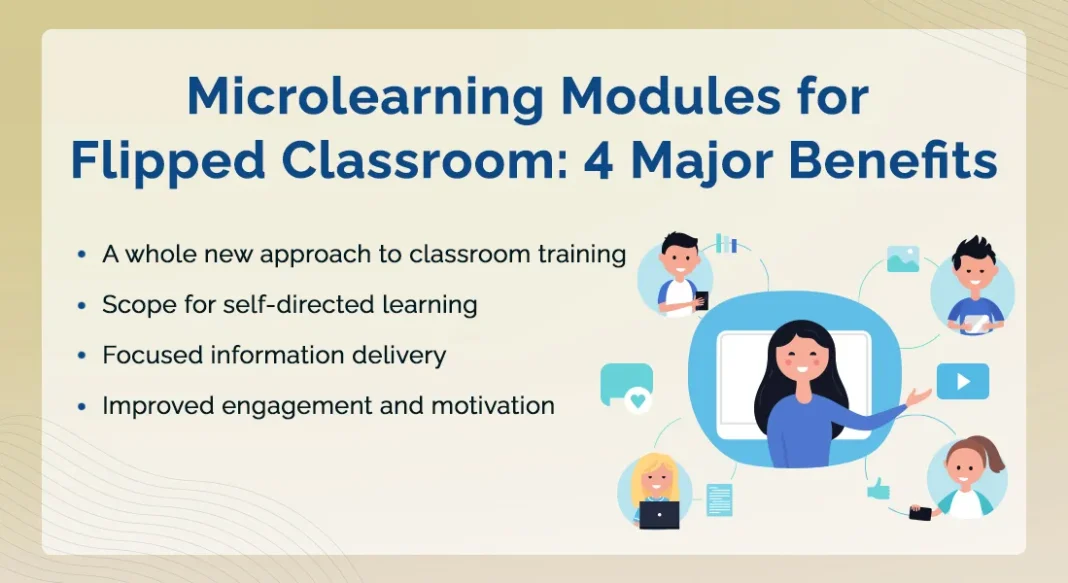

Microlearning Modules have quietly transformed how people learn, train, and grow in today’s fast‑paced world. I still remember the moment I discovered their power: I was sitting in a crowded café, struggling to focus on a dense instruction manual for a new software tool. I opened a microlearning app, tapped a two‑minute interactive lesson, and suddenly everything clicked. That brief, engaging experience changed how I approached learning forever.
In this article, we’ll explore why Microlearning Modules are becoming indispensable in corporate training, education, and personal development. We’ll dive into how they work, real‑world success stories, and practical tips for implementing them effectively. By the end, you’ll understand why they’re not just a trend but a learning revolution.
What Are Microlearning Modules?
At its core, Microlearning Modules are short, focused segments of learning content designed to teach a single concept or skill. Unlike traditional long lectures or extensive courses, these modules break down knowledge into bite‑sized pieces that learners can complete in minutes, not hours.
Imagine you’re learning to code. Rather than spending a whole afternoon on a comprehensive tutorial, you watch a three‑minute video on loops, try a quick practice exercise, and apply it immediately. That’s the essence of microlearning: targeted, concise, and actionable.
In classrooms and workplaces alike, these modules help learners retain information better by respecting attention span limits. This approach mirrors how we naturally learn in everyday life: one small idea at a time.
Why Microlearning Modules Work So Well
One of the reasons Microlearning Modules resonate with learners is that they fit into our real lives. People are busier than ever, juggling work, family, and personal goals. A 30‑minute training session might feel daunting, but a three‑minute lesson feels manageable.
Psychologists often point to cognitive load theory to explain this. Our brains can only process so much information at once. Microlearning reduces overload by presenting only essential concepts per module, enabling learners to absorb and retain the material more effectively.
There’s also the benefit of immediacy — learners can access content when it’s relevant. For example, a customer service rep might review a quick module on handling objections right before a challenging call. That “just‑in‑time” learning strengthens confidence and performance.
A friend who works in software support once told me about her experience. She used microlearning modules to master new troubleshooting techniques between support tickets. Because each unit was so short and relevant, she actually remembered and applied what she learned. That’s the power of learning that meets you where you are.
The Neuroscience Behind Microlearning Modules
It might sound surprising, but there’s real science supporting this approach. Neuroscience suggests that spaced repetition and chunked content help embed learning in long‑term memory. When learners revisit material in short bursts over time, neural connections strengthen.
Traditional training often dumps a large volume of information all at once — like trying to drink from a firehose. In contrast, Microlearning Modules offer a steady stream that’s easier for the brain to process.
Consider a language learning app you’ve likely seen: you spend a few minutes each day on vocabulary or grammar. Over time, your understanding grows, not because you studied for hours, but because you engaged consistently in short intervals.
Educators and instructional designers incorporate these principles to create modules that optimize learning retention. That’s why many modern companies are shifting away from long training sessions toward microlearning frameworks.
Where Microlearning Modules Shine Most
While microlearning can benefit virtually any learning scenario, some environments are especially suited to it.
In corporate settings, rapid changes in technology and expectations demand flexible training solutions. Sales teams need to adapt to new products quickly. Customer support agents must stay updated on evolving policies. Microlearning fits this constant need for relevant, fast, and effective learning.
In K‑12 and higher education, attention spans and engagement levels vary widely. Students often juggle multiple subjects and responsibilities. Integrating short modules that reinforce key concepts can support classroom lessons without overwhelming learners.
In personal development, learners choose when and how to engage. Whether it’s improving emotional intelligence or learning photography tips, microlearning gives people the freedom to grow at their own pace.
One training manager at a global company told me that after switching to a microlearning approach, employees began completing training more consistently and with higher satisfaction. Engagement soared, and the company saw a measurable improvement in performance metrics.
How to Design Effective Microlearning Modules
Designing impactful Microlearning Modules isn’t just about making content short. It’s about making it meaningful and engaging.
Start with a clear objective. Each module should focus on one specific learning outcome. If a topic feels too broad, break it into smaller chunks.
Use varied formats. Video, animation, quizzes, interactive scenarios, and even short podcasts can make content more dynamic. Variety not only sustains attention but also caters to different learning styles.
Include practice opportunities. Short reflection prompts or quick activities help learners apply new knowledge right away. Application is key to retention.
Feedback matters. When learners receive immediate feedback, they understand what they know and what needs more attention. That positive reinforcement keeps motivation high.
One instructional designer I interviewed shared that her team always tests modules with a small group before wider rollout. The feedback loop uncovers insights about pacing, clarity, and engagement that wouldn’t appear in a one‑size‑fits‑all launch.
Real Success Stories with Microlearning Modules
Stories often help illustrate the real impact of microlearning. Let’s look at a few.
A healthcare organization used microlearning modules to train nurses on new patient safety protocols. Instead of long training days that pulled nurses away from patient care, they rolled out short modules accessible via mobile devices. Nurses completed lessons during short breaks, leading to faster adoption and fewer errors.
Another example comes from a retail chain that used microlearning to train seasonal staff. With high turnover and tight timelines, traditional training was ineffective. Microlearning modules allowed new hires to learn step‑by‑step essentials in brief bursts. The result was smoother onboarding and improved customer satisfaction scores.
These real‑world applications highlight why Microlearning Modules are not theoretical concepts but practical tools that address real challenges.
The Learner’s Perspective
From the learner’s viewpoint, microlearning feels less intimidating and more rewarding. Instead of “I have to complete this entire course,” learners say, “I can do one small lesson right now.”
This shift in mindset reduces resistance. When learning feels achievable, engagement increases. Learners also appreciate the autonomy to choose what to learn and when.
Think about how you use your smartphone: quick articles, short videos, and brief podcasts fill small gaps in your day. Microlearning mirrors this everyday behavior. It integrates into routines, making learning feel like a natural part of life rather than an added burden.
One college student told me she used microlearning modules to review math concepts before exams. She didn’t have to sit for a long study session; instead, she squeezed in lessons between classes or during coffee breaks. This flexibility made her more consistent and confident in her preparation.
Microlearning Modules in a Hybrid World
With hybrid and remote work now widespread, traditional classroom training has given way to digital learning environments. Microlearning Modules thrive in this landscape.
Remote employees face distractions and time constraints. Long webinars may not hold attention. But little bursts of learning — delivered through apps, intranet portals, or messaging platforms — keep skills fresh.
In schools using hybrid models, microlearning helps bridge the gap between in‑person and online instruction. Teachers can assign short modules that reinforce key topics covered in class, ensuring continuity of learning.
It’s not uncommon now for organizations to link microlearning modules to performance dashboards or learning paths customized by role. This alignment turns learning into a strategic advantage rather than a side task.
One HR director shared that her company saw a 40% increase in training completion rates after shifting to microlearning content. Employees echoed that the lessons felt relevant, respectful of their time, and immediately applicable.
Challenges and How to Overcome Them
While microlearning offers many benefits, it’s not without challenges.
One common misconception is that short lessons equal less rigorous learning. In reality, well‑designed modules can be just as deep and meaningful as traditional formats. The trick is focusing on quality, not just brevity.
Another issue is integration. Some organizations struggle to weave microlearning into existing training ecosystems. The solution is to think strategically: map modules to learning objectives, embed them in workflows, and encourage leadership support.
Tracking impact can also be tricky. Traditional assessments might not align well with micro‑lessons. But tools that measure engagement, mastery of key concepts, and performance outcomes can help show real progress.
Despite these challenges, the benefits often outweigh the obstacles. The key is thoughtful implementation and a willingness to iterate based on data and learner feedback.
Tools and Technologies That Amplify Microlearning Modules
A range of digital tools now supports microlearning delivery. Learning management systems (LMS), mobile apps, and micro‑content platforms make it easy to deploy, track, and update modules.
Some tools even include gamification elements like badges, points, and leaderboards, making the experience feel more like play and less like traditional training.
Interactive simulations and branching scenarios allow learners to make choices and see consequences, which deepens engagement. Social features like discussion threads or peer reviews add community to what can otherwise feel like solitary learning.
Consider how language learning apps use streaks to motivate daily engagement. Applying similar techniques to workplace learning can create positive habits that persist over time.
When organizations choose tools that support analytics, they gain insights into which modules resonate most and where learners might need additional support.
Aligning Microlearning Modules with Organizational Goals
For businesses, the goal of training is not just learning for learning’s sake. It’s performance improvement, innovation, and adaptability. Aligning Microlearning Modules with organizational goals ensures that every piece of content supports strategic outcomes.
Start by identifying the skills and behaviors that matter most. What competencies drive success? What knowledge gaps hinder performance? Designing modules around these priorities ensures learning is purposeful.
Connecting modules to performance reviews or career paths also reinforces their relevance. When learners see how knowledge connects to advancement or mastery, engagement deepens.
One executive I spoke with emphasized that learning needs to feel valuable, not optional. By tying microlearning modules to real goals and recognizing progress, organizations foster a culture of continuous improvement.
Future Trends: Where Microlearning Modules Are Headed
Looking ahead, Microlearning Modules will continue evolving with technology and learner expectations.
Artificial intelligence promises personalization at scale. Imagine modules that adapt in real‑time based on a learner’s responses, pacing, and performance history. Augmented reality could make learning even more immersive, bringing scenarios to life in ways we’re only beginning to explore.
Social learning will likely grow, with micro‑communities forming around shared interests and skills. Peer‑generated modules and co‑creation could expand the definition of what microlearning means.
One thing is clear: as the world changes faster, learning must keep pace. Microlearning’s flexibility, relevance, and accessibility make it an ideal approach for lifelong learners and organizations committed to growth.
Read also: