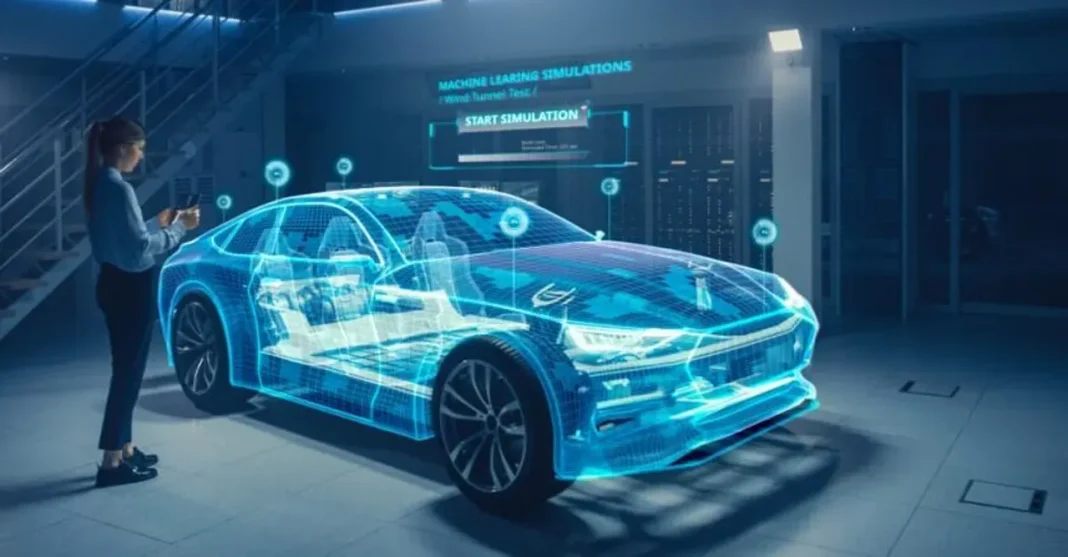

Automotive Digital Transformation is no longer a futuristic concept discussed only in boardrooms and tech summits. It has become a living, breathing reality shaping how vehicles are designed, built, sold, and experienced every single day. From connected cars that learn driver behavior to factories powered by real-time data, the automotive industry is undergoing one of the most profound changes in its history.
A decade ago, buying a car was mostly about horsepower, mileage, and brand loyalty. Today, consumers expect seamless digital experiences, intelligent safety systems, and software updates that improve performance long after purchase. This shift is forcing automakers, suppliers, and dealerships to rethink traditional models and embrace digital-first strategies at scale.
The Evolution of Automotive Digital Transformation in a Connected World
The journey toward digital maturity in the automotive sector did not happen overnight. Early efforts focused on basic automation and computer-aided design. Over time, the integration of cloud computing, IoT, artificial intelligence, and big data analytics changed what was possible.
Manufacturers now rely on digital twins to simulate vehicle performance before a single physical prototype is built. Sensors embedded across production lines feed real-time insights that reduce downtime and improve quality. This evolution highlights how Automotive Digital Transformation has shifted from operational efficiency to strategic differentiation.
In real-world terms, companies like Tesla demonstrated early on that software could be just as important as mechanical engineering. Traditional automakers quickly realized that digital capabilities were no longer optional but essential for survival.
Why Automotive Digital Transformation Matters More Than Ever
The automotive industry is facing unprecedented pressure from multiple directions. Consumer expectations are rising, regulatory requirements are tightening, and competition from tech-driven mobility startups is intensifying.
Digital transformation allows manufacturers to respond faster to market changes, personalize customer experiences, and reduce costs through smarter operations. Connected platforms enable predictive maintenance, which helps drivers avoid unexpected breakdowns while giving brands valuable usage data.
At the same time, sustainability goals demand smarter energy management and optimized supply chains. Digital tools make it possible to track emissions, reduce waste, and design vehicles that align with environmental standards without sacrificing performance.
Automotive Digital Transformation in Manufacturing and Smart Factories
Modern automotive plants look very different from their counterparts of the past. Robotics, automation, and data analytics now work together to create intelligent production environments.
Machines communicate with each other, flagging potential issues before they escalate into costly failures. Advanced analytics optimize workflows, ensuring that every component arrives at the right place at the right time. This reduces inventory costs while improving production speed.
In this context, Automotive Digital Transformation enables manufacturers to move from reactive maintenance to predictive and even prescriptive models. The result is higher quality vehicles, safer working environments, and more resilient supply chains.
The Role of AI and Data in Automotive Digital Transformation
Artificial intelligence sits at the heart of many digital initiatives across the automotive value chain. AI-powered systems analyze massive datasets generated by vehicles, factories, and customers to uncover actionable insights.
For example, machine learning models help optimize fuel efficiency by analyzing driving patterns. In manufacturing, AI detects microscopic defects that human inspectors might miss. In sales and marketing, data-driven insights enable personalized offers based on customer preferences and behavior.
This data-centric approach transforms decision-making from intuition-based to evidence-based, reinforcing trust and consistency across operations.
Customer Experience and Automotive Digital Transformation
The customer journey has become one of the most visible areas impacted by digital transformation. Buyers now research vehicles online, compare features through virtual showrooms, and expect transparent pricing.
Dealerships leverage CRM platforms to track interactions and deliver personalized communication. Post-purchase, mobile apps provide real-time vehicle health updates, remote controls, and service reminders.
These touchpoints create a continuous relationship between brands and drivers. Instead of a one-time transaction, ownership becomes an ongoing digital experience shaped by convenience and trust.
Automotive Digital Transformation and Connected Vehicles
Connected vehicles represent one of the most tangible outcomes of digital transformation. Cars today are essentially computers on wheels, equipped with sensors, connectivity modules, and advanced software systems.
These vehicles communicate with infrastructure, other cars, and cloud platforms to enhance safety and efficiency. Features such as real-time traffic updates, over-the-air software updates, and advanced driver assistance systems rely on robust digital ecosystems.
As connectivity expands, automakers must also prioritize cybersecurity to protect user data and ensure system integrity. Trust plays a critical role in the success of connected mobility solutions.
The Impact of Automotive Digital Transformation on Supply Chains
Global supply chains have become increasingly complex, and recent disruptions highlighted the need for greater visibility and agility. Digital transformation addresses these challenges by enabling end-to-end tracking and predictive analytics.
Suppliers and manufacturers share data through integrated platforms, improving coordination and reducing delays. Digital forecasting tools help anticipate demand fluctuations and adjust production accordingly.
This level of transparency not only improves efficiency but also strengthens relationships across the ecosystem, fostering collaboration rather than competition.
Automotive Digital Transformation in After-Sales and Services
After-sales services are undergoing a digital makeover as well. Predictive maintenance systems monitor vehicle health in real time, alerting drivers before issues become serious.
Service centers use digital diagnostics to speed up repairs and reduce guesswork. Customers benefit from faster turnaround times and clearer communication, while businesses gain operational efficiency.
Subscription-based services, such as advanced navigation or performance upgrades, open new revenue streams and extend the value of vehicles beyond the initial sale.
Challenges Slowing Automotive Digital Transformation
Despite its benefits, digital transformation is not without obstacles. Legacy systems, skill gaps, and resistance to change often slow progress.
Integrating new technologies with existing infrastructure requires careful planning and investment. Cybersecurity risks must be managed proactively to protect sensitive data.
Leadership commitment and cultural change are critical. Organizations that treat digital initiatives as side projects often struggle, while those embedding digital thinking into their core strategy see sustainable results.
Automotive Digital Transformation and Workforce Evolution
As technology reshapes the industry, the workforce must evolve alongside it. New roles in data science, cybersecurity, and software engineering are becoming essential.
Upskilling existing employees helps bridge the gap between traditional automotive expertise and modern digital capabilities. Collaborative environments encourage innovation and cross-functional learning.
This human-centered approach reinforces the EEAT principle by combining technical excellence with real-world experience and trustworthiness.
Regulatory Compliance and Automotive Digital Transformation
Regulations around safety, emissions, and data privacy continue to evolve. Digital systems make compliance more manageable by automating reporting and monitoring processes.
Real-time data collection ensures that vehicles meet regulatory standards throughout their lifecycle. This reduces risk and builds confidence among regulators and consumers alike.
Digital transparency also supports ethical practices, reinforcing brand credibility in an increasingly scrutinized market.
The Future Outlook of Automotive Digital Transformation
Looking ahead, the pace of change shows no sign of slowing. Autonomous driving, vehicle-to-everything communication, and AI-driven mobility services are pushing boundaries further.
Companies that invest strategically in Automotive Digital Transformation position themselves as innovators rather than followers. The focus will shift from isolated digital projects to fully integrated ecosystems that connect vehicles, cities, and users.
Success will depend on collaboration across industries, continuous learning, and a commitment to delivering meaningful value rather than chasing trends.
Building Trust Through Experience and Innovation
Trust remains a cornerstone of long-term success in the automotive industry. Digital tools must enhance safety, transparency, and reliability to earn consumer confidence.
Brands that openly communicate how data is used, prioritize security, and deliver consistent digital experiences strengthen their reputation. Real-life success stories, customer testimonials, and proven performance reinforce credibility.
By aligning innovation with responsibility, the industry can ensure that digital transformation benefits everyone involved.
Read also: