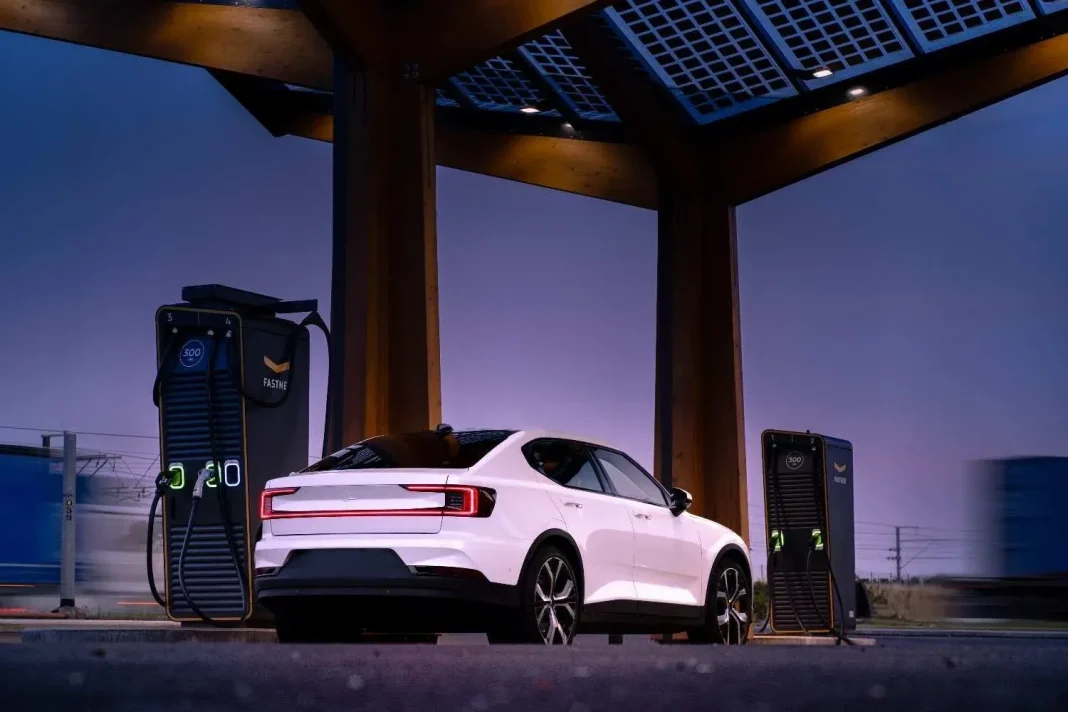

electric vehicle adoption insights reveal far more than sales numbers and charging statistics. They tell a story of changing mindsets, evolving technology, and a global shift in how people think about transportation. What once felt experimental has now entered the mainstream, driven by necessity, innovation, and growing environmental awareness.
Across cities and highways, electric vehicles are no longer novelties. They are daily drivers, fleet workhorses, and symbols of a cleaner future. Understanding why this shift is happening requires looking beyond the vehicles themselves and into the social, economic, and technological forces behind adoption.
How Consumer Perception of Electric Vehicles Has Changed
Not long ago, electric vehicles were viewed as limited, expensive, and impractical. Early adopters accepted compromises in range and charging convenience in exchange for innovation.
Today, perception has shifted dramatically. Drivers now associate EVs with smooth performance, lower running costs, and modern design. Word-of-mouth experiences, real-world reliability, and visible infrastructure growth have replaced skepticism with confidence.
These changing attitudes form a crucial part of electric vehicle adoption insights, showing that trust grows fastest when technology proves itself in everyday life.
The Role of Cost in Accelerating Adoption
Price has always been a deciding factor in vehicle purchases. Initially, electric vehicles carried a premium due to battery costs and limited production scale.
Over time, manufacturing efficiencies and battery innovation have reduced this gap. Total cost of ownership has become increasingly attractive as fuel savings and lower maintenance expenses add up.
For many households, electric vehicle adoption insights now highlight affordability over the long term rather than upfront price alone.
Charging Infrastructure and Its Psychological Impact
Charging availability influences confidence more than actual usage patterns. Studies consistently show that most charging happens at home, yet public chargers provide reassurance.
Visible charging stations reduce range anxiety and signal commitment from governments and businesses. Each new installation reinforces the idea that EVs are supported and practical.
Infrastructure growth plays a central role in electric vehicle adoption insights, proving that perception and reality evolve together.
Government Policies and Incentives Driving Change
Policy support has significantly shaped adoption trends. Tax incentives, rebates, and regulatory targets encourage both manufacturers and consumers to transition.
Emission regulations push automakers toward electrification, while urban policies restrict internal combustion vehicles in city centers. These measures accelerate adoption while aligning transportation with environmental goals.
From a global perspective, electric vehicle adoption insights consistently show that supportive policy environments correlate with faster market growth.
Real-Life Example of Everyday EV Adoption
Consider a suburban family replacing a gasoline sedan with an electric vehicle. Initially hesitant, they discover overnight home charging fits seamlessly into their routine.
Monthly fuel expenses drop noticeably, and maintenance visits become rare. Over time, the EV becomes the preferred choice for commuting and errands.
This everyday experience mirrors broader electric vehicle adoption insights, where satisfaction fuels organic growth through personal recommendation.
Automaker Strategies and Market Competition
Automakers have embraced electrification as a core strategy rather than a side project. Major brands invest billions into dedicated EV platforms and battery supply chains.
Competition has driven innovation, improving range, charging speed, and design. Consumers now enjoy broader choices across price points and vehicle segments.
This competitive landscape strengthens electric vehicle adoption insights, showing how market dynamics accelerate technological maturity.
Fleet Adoption and Commercial Use Cases
Commercial fleets represent a powerful adoption driver. Delivery services, ride-hailing companies, and public transportation providers prioritize efficiency and predictability.
Electric vehicles offer lower operating costs and simplified maintenance schedules, making them ideal for high-utilization scenarios.
Fleet success stories amplify electric vehicle adoption insights, demonstrating reliability under demanding conditions.
Environmental Awareness and Social Influence
Environmental concern has become mainstream. Climate discussions now influence purchasing decisions across demographics.
Electric vehicles provide a tangible way for individuals to reduce emissions without sacrificing convenience. Social influence further amplifies adoption as EV ownership becomes normalized.
In this context, electric vehicle adoption insights highlight how values and identity shape consumer behavior.
Battery Technology as the Adoption Engine
Battery advancements underpin nearly every positive trend in EV adoption. Improvements in energy density, longevity, and safety have transformed vehicle capability.
Faster charging and longer range address early limitations, while declining battery costs improve affordability.
Technological progress remains central to electric vehicle adoption insights, linking innovation directly to consumer confidence.
Regional Differences in Adoption Patterns
Adoption rates vary by region due to infrastructure, policy, and cultural factors. Urban areas often lead due to shorter travel distances and stronger charging networks.
Rural adoption grows as range improves and charging expands. Regional insights reveal that one-size-fits-all strategies rarely work.
These variations enrich electric vehicle adoption insights, emphasizing the importance of localized solutions.
Trust, Reliability, and Long-Term Ownership
Trust develops through reliability. As electric vehicles demonstrate durability over years of ownership, hesitation fades.
Battery warranties and transparent performance data reassure buyers. Long-term ownership experiences now validate early promises.
Trust-building is a recurring theme in electric vehicle adoption insights, aligning closely with EEAT principles of reliability and transparency.
Media Influence and Public Awareness
Media coverage shapes perception. Early narratives focused on limitations, while modern reporting highlights innovation and success stories.
Social media accelerates awareness by sharing real-world experiences. Influencers and everyday owners alike contribute to normalization.
Media-driven narratives strongly influence electric vehicle adoption insights, shaping public understanding at scale.
The Role of Utilities and Energy Systems
Electric vehicles intersect with energy infrastructure. Smart charging, renewable integration, and grid management become increasingly important.
Utilities adapt by offering EV-friendly tariffs and infrastructure partnerships. This synergy supports sustainable adoption without overloading systems.
Energy alignment strengthens electric vehicle adoption insights, showing that transportation and power sectors evolve together.
Workplace Charging and Lifestyle Integration
Workplace charging reduces barriers for apartment dwellers and long commuters. It reinforces convenience and expands daily charging options.
As employers install chargers, EV ownership becomes more practical for diverse lifestyles.
Lifestyle compatibility is a key theme in electric vehicle adoption insights, highlighting how convenience drives behavior.
Addressing Common Adoption Concerns
Range anxiety, charging time, and resale value remain common concerns. However, real-world data increasingly counters these fears.
As used EV markets mature, resale confidence grows. Charging speeds continue to improve, and range exceeds daily needs for most drivers.
Addressing misconceptions strengthens electric vehicle adoption insights, helping adoption spread beyond early adopters.
Data Transparency and Consumer Education
Clear information empowers confident decisions. Buyers benefit from transparent range estimates, charging costs, and maintenance expectations.
Educational initiatives bridge knowledge gaps, reducing uncertainty. Manufacturers and dealers play critical roles in this process.
Education-driven clarity reinforces electric vehicle adoption insights, supporting informed adoption rather than impulse decisions.
Industry Collaboration and Ecosystem Growth
Adoption accelerates when stakeholders collaborate. Automakers, governments, utilities, and tech companies share responsibility.
Interoperable charging standards and shared infrastructure investments simplify the user experience.
This collaborative ecosystem consistently appears in electric vehicle adoption insights as a success factor.
The Momentum Toward Mass Adoption
Momentum matters. As EVs become common sights, hesitation fades naturally. Familiarity breeds acceptance.
Each new adopter contributes to a feedback loop of visibility, confidence, and demand.
Momentum-driven growth defines modern electric vehicle adoption insights, illustrating how social proof accelerates change.
Looking Ahead at the Adoption Curve
The path forward involves scaling production, expanding infrastructure, and refining policy frameworks. Challenges remain, but direction is clear.
Electric vehicles are transitioning from alternative to default. Adoption insights suggest that the tipping point is not theoretical but already underway.
By examining behavior, technology, and trust together, electric vehicle adoption insights reveal a transportation revolution shaped as much by people as by machines.
Read also:
new york yankees vs pittsburgh pirates match player stats
nasik kolkata fatafat
nasik fatafat matka
nasir fatafat


