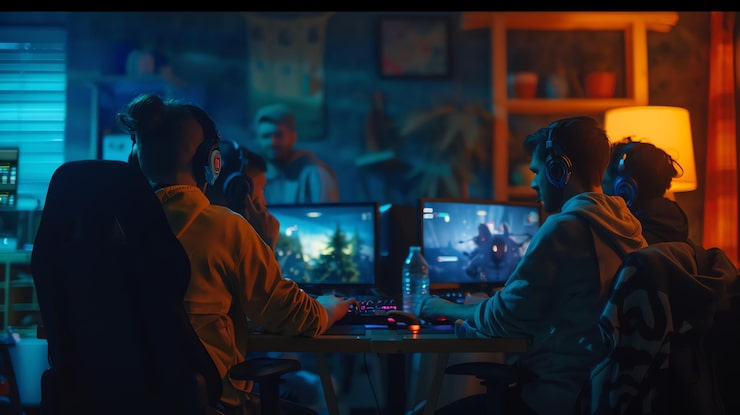

Gaming Community Platforms have become the heartbeat of modern gaming culture, connecting players across continents and time zones. From casual gamers enjoying mobile titles to professional esports competitors, these platforms offer spaces for collaboration, competition, and shared experiences. Beyond gaming, they also integrate social, educational, and business opportunities, transforming how players interact both online and offline.
The Rise of Global Gaming Networks
The evolution of gaming is inseparable from the rise of community platforms. Once limited to local LAN parties or small forums, gaming has expanded into worldwide networks where players discuss strategies, share tutorials, and stream live gameplay. Popular platforms like Discord, Steam, and Epic Games Launcher not only host games but also cultivate spaces for vibrant discussions, fan content, and collaborative projects.
Gamers in India can join tournaments hosted in Europe, while Brazilian streamers collaborate with partners in Japan. This global reach highlights how Gaming Community Platforms dissolve geographic boundaries, fostering friendships and teamwork that were impossible just a decade ago.
Social Features Driving Engagement
Community features such as chat rooms, voice channels, and live streaming are crucial to engagement. Players form guilds or clans that mirror social communities, creating loyalty and identity. For example, esports enthusiasts organize watch parties for major events, sharing commentary and celebrating victories in real time.
Influencers and content creators also thrive on these platforms, offering tutorials, live streams, and behind-the-scenes content. This interaction makes gaming more than just entertainment—it becomes a shared cultural experience that blends social media trends with immersive play.
Education and Skill Development Through Gaming
Gaming platforms also serve as informal educational hubs. Strategy guides, coding workshops, and esports training programs are accessible to anyone with an account. Students can learn teamwork, leadership, and critical thinking, while entrepreneurs explore game development, streaming business models, and digital marketing. These platforms prove that Gaming Community Platforms are not only about fun—they cultivate skills that extend into real-world careers.
Cross-Industry Collaboration and Opportunities
Businesses increasingly recognize the value of gaming communities. Travel brands, food delivery apps, and tech companies sponsor tournaments, offer in-game promotions, or partner with influencers for marketing campaigns. Even courier services have leveraged esports events for brand visibility, combining logistics with entertainment. This integration demonstrates that Gaming Community Platforms influence multiple industries, creating opportunities for collaboration and revenue generation beyond the gaming sector.
Esports and Competitive Play
The competitive gaming landscape has exploded thanks to these platforms. From amateur tournaments to professional leagues, players can participate in contests with international visibility. Esports teams rely on community platforms to recruit talent, schedule practice sessions, and engage fans. Streaming tournaments on platforms like Twitch or YouTube generates sponsorships, merchandise sales, and advertising revenue, proving that the ecosystem is sustainable and dynamic.
Storytelling and Shared Experiences
A major draw of Gaming Community Platforms is their ability to tell stories collaboratively. Players document epic quests, create fan art, and produce tutorials, contributing to a living archive of gaming culture. For instance, a Fortnite squad from different countries may record their strategy sessions, share highlights, and build an online following, blending gaming with creative expression.
Accessibility and Inclusion
Community platforms have made gaming more accessible than ever. Features like multilingual support, adaptive controllers, and mobile-friendly interfaces allow players of all ages and abilities to participate. These tools foster inclusivity, making gaming a space where diverse voices can thrive. Students learning game design and entrepreneurs testing new apps benefit from immediate feedback from global communities, enhancing innovation and engagement.
Technology and Future Trends
Advanced technologies such as cloud gaming, AR/VR integration, and AI-driven matchmaking are shaping the next generation of Gaming Community Platforms. These innovations ensure smoother gameplay, more personalized experiences, and broader reach. Gamers will soon experience fully immersive environments where social interaction, competitive play, and content creation coexist seamlessly, further solidifying the role of these platforms in digital culture.
Real-Life Impact Across Continents
From casual mobile gamers in Southeast Asia to professional esports players in North America, Gaming Community Platforms unite diverse audiences. Students collaborate on gaming projects while traveling, entrepreneurs test market strategies in virtual worlds, and sports fans engage with digital tournaments. These real-world examples demonstrate that gaming communities are more than digital spaces—they are hubs for connection, creativity, and opportunity that transcend borders.
Read also:
how do i archive a google classroom
how to archive a class in google classroom
how do you archive a class in google classroom
subhman gill height