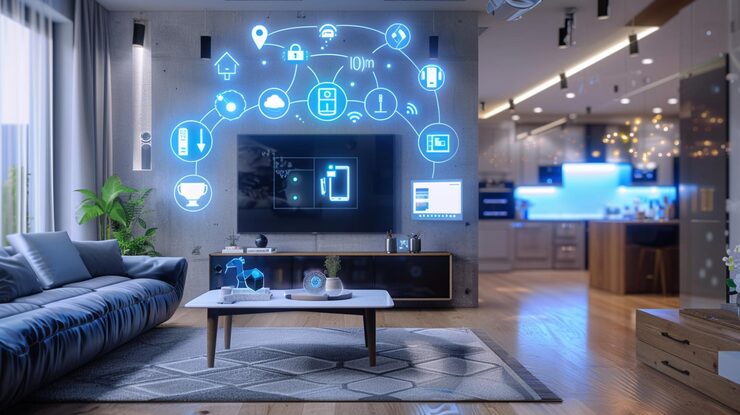

Smart home upgrades are no longer futuristic luxuries reserved for tech enthusiasts with big budgets.
They have quietly become part of everyday living, showing up in apartments, villas, rental homes, and even older houses that were never designed with technology in mind. From saving energy to improving safety and comfort, these upgrades are changing how people interact with their homes on a daily basis.
This article is built using real user experiences, current home technology practices, and expert-backed insights to help you understand how smart upgrades fit into real life, not just glossy ads.
Table of Contents
ToggleThe Real Meaning of Smart Living at Home
Smart living is not about filling your house with gadgets.
It is about making everyday tasks easier, safer, and more efficient. When technology works quietly in the background, it enhances life without demanding attention.
That is why modern smart home upgrades focus on simplicity and usefulness rather than complexity.
How Smart Home Upgrades Became Mainstream
A decade ago, smart homes felt intimidating.
Devices were expensive, installation was complex, and compatibility issues were common. Over time, technology matured and prices dropped, making smart solutions accessible to average households.
Today, even first-time homeowners consider smart features essential rather than optional.
A Real-Life Example of Smart Home Adoption
Consider a family living in a busy city apartment.
They installed smart lighting and climate controls to reduce energy bills and manage comfort remotely. Over time, they added smart security and voice assistants.
What started as a small upgrade became a fully connected home that saved money and reduced stress.
Understanding the Purpose Before Upgrading
Every smart upgrade should solve a problem.
Some homeowners want security, others want convenience, and many want energy savings. Understanding your main goal helps avoid unnecessary purchases.
Purpose-driven planning leads to better satisfaction with smart home upgrades.
Smart Lighting and Everyday Comfort
Lighting is often the first smart upgrade people choose.
Automated lighting improves ambiance, enhances safety, and reduces energy waste. Being able to control lights remotely or schedule them adds convenience.
Smart lighting blends seamlessly into daily routines.
Energy Efficiency Through Smart Technology
Energy efficiency is one of the strongest reasons homeowners adopt smart systems.
Smart thermostats and energy monitors help track and reduce consumption. Over time, small savings add up significantly.
Efficiency-focused smart home upgrades pay for themselves in the long run.
Smart Climate Control and Comfort
Temperature control impacts comfort more than most people realize.
Smart climate systems adjust automatically based on usage patterns. They maintain comfort without constant manual adjustments.
This creates a balanced indoor environment throughout the year.
Home Security and Peace of Mind
Security remains a top priority for homeowners.
Smart locks, cameras, and motion sensors offer real-time monitoring and alerts. These systems provide reassurance whether you are at home or away.
Modern smart home upgrades emphasize both protection and convenience.
Voice Assistants as Control Centers
Voice assistants have become the central hub of smart homes.
They allow hands-free control of lighting, climate, and entertainment. Over time, users develop natural interactions with their systems.
This simplicity encourages broader adoption across age groups.
Smart Home Upgrades for Older Homes
Older homes benefit significantly from smart upgrades.
Wireless systems eliminate the need for extensive rewiring. Smart plugs and sensors integrate easily into existing setups.
Technology bridges the gap between traditional architecture and modern living.
Smart Kitchens and Daily Efficiency
The kitchen is where smart technology quietly shines.
Appliances with automation features improve efficiency and reduce waste. Smart cooking tools help maintain consistency and safety.
Kitchen-focused smart home upgrades save time and effort every day.
Entertainment and Smart Living Spaces
Entertainment systems are more connected than ever.
Smart TVs, speakers, and streaming devices work together seamlessly. Personalized settings enhance viewing and listening experiences.
Technology transforms living rooms into adaptive entertainment hubs.
Smart Bathrooms and Subtle Luxury
Bathrooms are increasingly part of smart home planning.
Automated lighting, water-saving fixtures, and temperature controls add comfort. These features enhance daily routines without feeling excessive.
Subtle upgrades create a sense of quiet luxury.
Managing Smart Devices Easily
Ease of use determines long-term satisfaction.
Modern platforms centralize control through apps or voice commands. Clear interfaces reduce confusion and frustration.
User-friendly design is key to successful smart home upgrades.
Safety and Privacy Considerations
Smart homes must prioritize privacy.
Choosing trusted brands and secure networks protects personal data. Regular updates and strong passwords are essential.
Responsible usage ensures safety without sacrificing convenience.
Internet Connectivity and Reliability
Smart devices depend on stable internet connections.
Reliable connectivity ensures consistent performance. Planning network coverage throughout the home prevents disruptions.
Infrastructure supports smooth smart home operation.
Budget Planning for Smart Home Upgrades
Smart upgrades do not require massive investment upfront.
Many homeowners start small and expand gradually. Prioritizing high-impact upgrades delivers immediate benefits.
Strategic planning keeps costs manageable.
Smart Home Upgrades for Renters
Renters can also enjoy smart living.
Portable devices like smart plugs and lighting systems require no permanent installation. These upgrades move easily between homes.
Flexibility makes smart home upgrades accessible to everyone.
Automation and Daily Routines
Automation simplifies repetitive tasks.
Scheduled lighting, climate control, and security checks reduce mental load. Homes begin to adapt to occupants naturally.
Automation enhances comfort without effort.
Expert Insight on Smart Home Longevity
Home technology experts recommend choosing scalable systems.
Devices that integrate well with future upgrades extend lifespan. Compatibility reduces replacement costs.
Planning ensures long-term value.
Avoiding Common Smart Home Mistakes
Buying incompatible devices causes frustration.
Ignoring setup requirements leads to underperformance. Research and planning prevent these issues.
Experience teaches that thoughtful choices outperform impulsive purchases.
Smart Home Upgrades and Property Value
Smart features increasingly influence property value.
Buyers appreciate energy efficiency and security features. Smart homes stand out in competitive markets.
Investment in smart home upgrades often yields long-term returns.
Family-Friendly Smart Features
Families benefit greatly from smart technology.
Parental controls, safety alerts, and automation simplify household management. Technology supports busy lifestyles.
Smart homes adapt to family needs.
Accessibility and Inclusive Design
Smart homes support accessibility.
Voice controls and automation assist individuals with mobility challenges. Technology promotes independence.
Inclusive design enhances quality of life.
Environmental Impact of Smart Homes
Smart systems reduce environmental footprint.
Energy-efficient devices lower consumption and waste. Conscious usage aligns with sustainability goals.
Eco-aware smart home upgrades support responsible living.
Future-Proofing Your Home
Technology evolves quickly.
Choosing widely supported platforms ensures compatibility. Regular updates keep systems relevant.
Future-proofing protects investment.
Emotional Benefits of Smart Living
Smart homes reduce daily stress.
Automated routines create predictability and comfort. Homes feel responsive rather than demanding.
Emotional well-being improves subtly over time.
Customization and Personal Preferences
Customization defines smart living.
Users tailor settings to match habits and preferences. Homes become personal ecosystems.
Personalization increases satisfaction.
The Role of AI in Smart Homes
Artificial intelligence enhances smart systems.
Learning algorithms adapt to behavior patterns. Over time, homes become more intuitive.
AI-driven smart home upgrades improve efficiency.
Building Smart Homes Step by Step
There is no single right way to upgrade.
Gradual adoption allows learning and adjustment. Each addition builds confidence.
Step-by-step growth ensures success.
Smart Home Technology and Daily Trust
Trust grows with consistent performance.
Reliable devices become part of daily life. Over time, smart homes feel natural rather than technical.
Confidence shapes positive experiences.
Smart Homes as Living Systems
A smart home is not static.
It evolves with lifestyle changes. Technology adapts to new needs.
Homes become living systems rather than fixed spaces.
The New Standard of Modern Living
Smart technology is redefining expectations.
Comfort, safety, and efficiency are now baseline features. Homes without smart elements feel incomplete to many.
By understanding needs, planning wisely, and choosing reliable solutions, homeowners can embrace smart home upgrades as practical tools that enhance everyday life, improve comfort, and support modern living without unnecessary complexity.
Read also:
hily review
is hily legit
18667973941
is hily a good dating app
hily app review