
Athlete Recovery Routines Across Sports are vital for sustaining high performance, preventing injuries, and extending careers. Elite athletes like LeBron James, Cristiano Ronaldo, and Serena Williams exemplify how structured recovery protocols enhance endurance, agility, and mental sharpness. Regardless of whether an athlete is a basketball player, soccer star, or tennis champion, recovery routines form the backbone of sustainable success.
By understanding and implementing these strategies, athletes can optimize rest, nutrition, and rehabilitation, ensuring that every training session and competition yields maximum benefit.
The Importance of Recovery in Sports Performance
Recovery is not just rest; it’s an active process that allows the body to repair muscles, reduce inflammation, and restore energy stores. Athlete Recovery Routines Across Sports emphasize sleep, nutrition, and therapeutic techniques to maintain peak physical condition.
For example, LeBron James reportedly follows a regimented sleep schedule and uses cryotherapy sessions to reduce muscle soreness, highlighting how intentional recovery influences performance longevity.
Sleep and Circadian Rhythm Optimization
Sleep is the cornerstone of Athlete Recovery Routines Across Sports. Deep, restorative sleep supports muscle repair, hormone regulation, and cognitive function. Cristiano Ronaldo prioritizes high-quality sleep, often taking strategic naps to supplement nightly rest.
By aligning sleep with natural circadian rhythms, athletes enhance energy levels, reaction time, and overall game performance, underscoring the vital role of rest in recovery.
Nutrition and Hydration Strategies
A comprehensive Athlete Recovery Routines Across Sports plan includes a bulking meal prep tailored to repair and refuel the body. Protein-rich meals, electrolyte replenishment, and anti-inflammatory foods accelerate recovery. Serena Williams, for instance, follows a diet rich in lean proteins, complex carbs, and healthy fats, promoting rapid muscle recovery and sustained energy during tournaments.
Hydration also plays a crucial role, as proper fluid balance supports cellular function, joint health, and cardiovascular efficiency.
Active Recovery and Low-Impact Exercise
Active recovery is a key aspect of Athlete Recovery Routines Across Sports. Low-impact activities such as swimming, cycling, or yoga improve blood circulation, reduce stiffness, and facilitate faster healing.
Athletes like LeBron James incorporate swimming sessions post-game to enhance circulation without placing additional stress on joints. These routines complement high-intensity training while preventing burnout and overuse injuries.
Massage Therapy and Myofascial Release
Professional athletes often integrate massage therapy into Athlete Recovery Routines Across Sports. Techniques such as deep tissue massage, myofascial release, and trigger point therapy alleviate muscle tension, improve flexibility, and enhance range of motion.
Cristiano Ronaldo regularly uses massage therapy to maintain leg strength and mobility, demonstrating how targeted treatments prevent chronic injuries and maintain performance levels.
Cryotherapy and Cold Immersion
Cryotherapy and cold immersion have become staples in Athlete Recovery Routines Across Sports. Cold treatments reduce inflammation, decrease delayed onset muscle soreness (DOMS), and accelerate recovery post-training.
Athletes like Serena Williams utilize ice baths or localized cryotherapy sessions to support rapid muscle repair, highlighting the integration of modern recovery technologies into elite routines.
Stretching and Flexibility Work
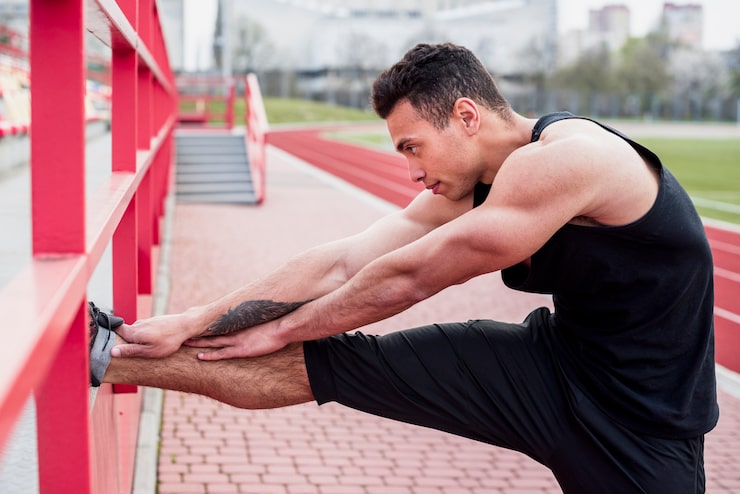
Flexibility exercises form a critical component of Athlete Recovery Routines Across Sports. Stretching enhances range of motion, improves posture, and reduces the risk of injury.
Dynamic stretches before workouts and static stretches post-exercise ensure muscles are primed for activity and adequately restored afterward. LeBron James is known for dedicating substantial time to stretching protocols, ensuring peak performance during intense NBA seasons.
Mental Recovery and Mindfulness
Recovery extends beyond physical restoration. Athlete Recovery Routines Across Sports incorporate mental recovery techniques such as meditation, breathing exercises, and visualization.
Cristiano Ronaldo uses mindfulness practices to maintain focus, reduce stress, and enhance decision-making on the pitch. Mental recovery is equally crucial as physical rest in sustaining long-term competitive excellence.
Periodization and Scheduled Rest
Structured training schedules, known as periodization, are essential to Athlete Recovery Routines Across Sports. Alternating high-intensity sessions with lower-intensity or rest days allows for optimal recovery and performance adaptation.
Elite athletes like Serena Williams follow meticulously planned cycles, balancing training, competition, and recovery phases to prevent overtraining and enhance peak performance during critical tournaments.
Integrating Technology in Recovery
Modern athletes leverage technology to monitor and optimize recovery. Wearables, heart rate variability trackers, and sleep monitors provide insights into fatigue levels, readiness, and recovery efficiency.
Athlete Recovery Routines Across Sports increasingly rely on data-driven strategies to tailor interventions like rest days, cryotherapy sessions, or nutrition adjustments, ensuring maximum efficacy.
Rehabilitation and Injury Management
Injury management is an indispensable part of Athlete Recovery Routines Across Sports. Physical therapy, rehabilitation exercises, and gradual reintegration protocols help athletes recover safely from injuries.
LeBron James has demonstrated disciplined rehabilitation after injuries, combining professional therapy with structured exercise routines, emphasizing that consistent recovery practices prevent long-term setbacks.
Hydrotherapy and Water-Based Recovery
Hydrotherapy supports recovery by reducing joint stress, enhancing circulation, and promoting relaxation. Pools, whirlpools, and resistance-based water exercises are frequently used in Athlete Recovery Routines Across Sports.
Athletes like Cristiano Ronaldo incorporate water-based workouts to maintain conditioning while minimizing impact, facilitating both performance and recovery.
Combining Recovery Techniques for Maximum Benefit
The most effective Athlete Recovery Routines Across Sports blend multiple recovery modalities. For example, a post-game routine might include hydration, protein-rich meals, cryotherapy, stretching, and mindfulness exercises.
Elite athletes understand that combining techniques addresses both muscular and neural recovery, ensuring holistic restoration and readiness for subsequent training or competition.
Real-Life Example: LeBron James’ Game-Day Recovery
LeBron James’ game-day recovery routine exemplifies Athlete Recovery Routines Across Sports. It combines ice baths, compression therapy, stretching, nutrition, and mental visualization. By following this holistic protocol, he maintains performance, reduces fatigue, and prevents injury despite a demanding NBA schedule.
This approach highlights the importance of comprehensive recovery routines in sustaining elite athletic performance.
Customizing Recovery to Sport-Specific Demands
Different sports exert unique stresses on the body. Athlete Recovery Routines Across Sports are tailored to meet these demands. For instance, basketball players focus on lower-body recovery, soccer players emphasize leg and hip maintenance, and tennis players prioritize shoulder and arm health.
By aligning recovery strategies with sport-specific needs, athletes optimize rehabilitation, performance, and longevity.
Sleep Supplements and Nutritional Support
Some athletes integrate supplements like magnesium, protein shakes, or omega-3 fatty acids into Athlete Recovery Routines Across Sports. These support muscle repair, reduce inflammation, and promote restorative sleep.
Professional athletes like Serena Williams combine dietary strategies with structured recovery protocols, ensuring both internal and external restoration.
Travel and Recovery Management
For athletes with heavy travel schedules, such as NBA or international soccer players, Athlete Recovery Routines Across Sports include strategies to counteract jet lag, fatigue, and disrupted routines.
Using sleep adjustments, hydration protocols, and portable recovery tools, athletes maintain peak performance regardless of travel demands.
Psychological Resilience and Recovery
Recovery isn’t purely physical; mental resilience is vital. Athletes practicing Athlete Recovery Routines Across Sports employ techniques like visualization, guided relaxation, and mental rehearsal to restore focus and motivation after intense games or tournaments.
Cristiano Ronaldo exemplifies this approach by blending mental conditioning with physical recovery, demonstrating the holistic nature of modern athletic recovery.
Community and Coaching Support
Athletes benefit from recovery programs guided by coaches, physiotherapists, and nutritionists. Athlete Recovery Routines Across Sports often include structured oversight to ensure correct implementation, reduce injury risk, and monitor progress.
Support networks allow athletes like LeBron James and Serena Williams to optimize recovery strategies, integrating professional guidance with personal discipline.
Athlete Recovery Routines Across Sports combine physical restoration, mental preparation, strategic scheduling, and technological monitoring. By learning from champions like LeBron James, Cristiano Ronaldo, and Serena Williams, athletes across disciplines can develop comprehensive recovery plans that enhance performance, prevent injury, and sustain long-term athletic excellence.
Read also:
crichd
spain national football team vs france national football team lineups
bengaluru fc vs kerala blasters player ratings
dallas mavericks vs golden state warriors stats